
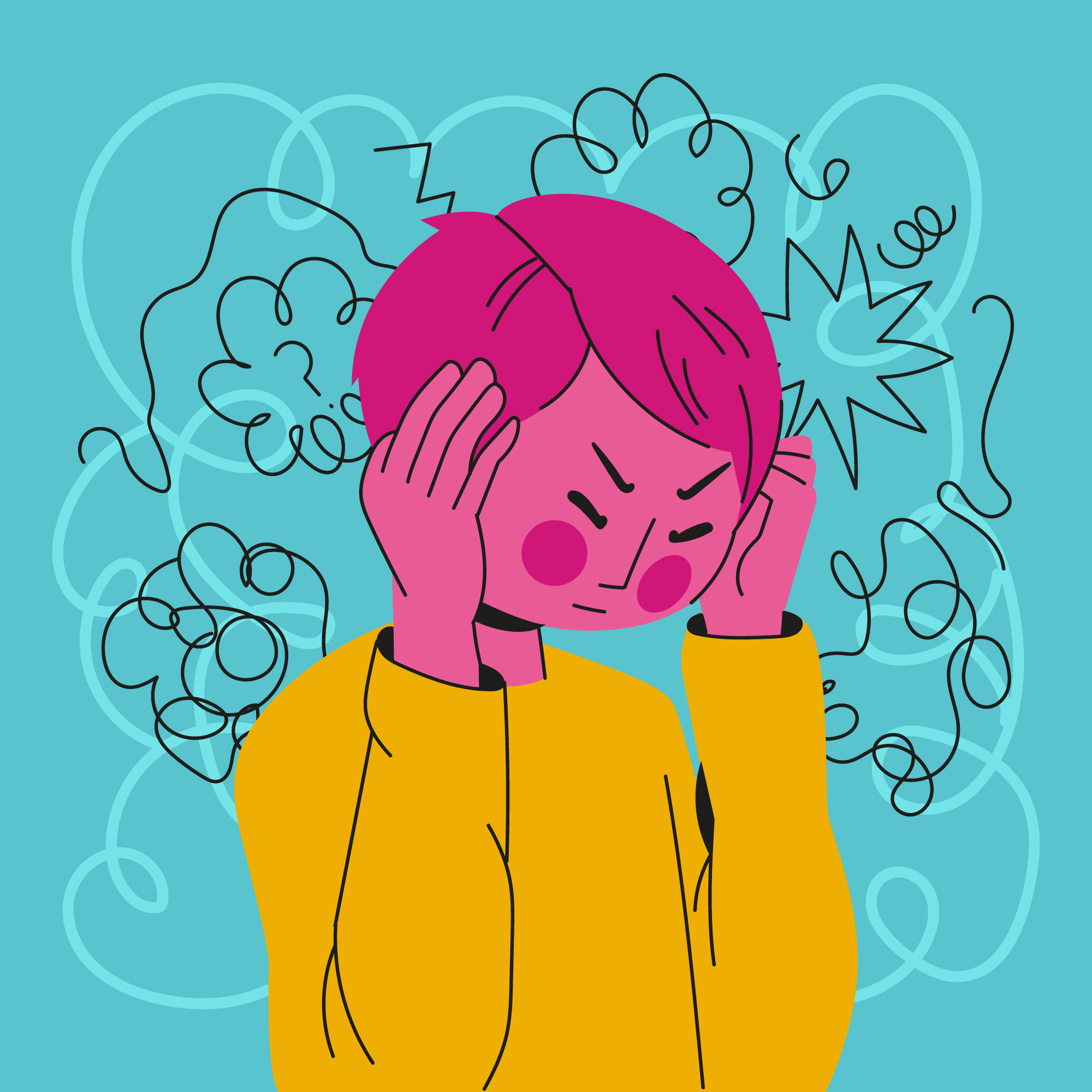
Many people describe themselves as “overthinkers.” It’s often said casually, even jokingly, as if constantly replaying conversations or worrying about future outcomes is simply part of who they are. But psychologists see something different.
Overthinking is rarely a personality trait. More often, it’s a sign of underlying anxiety.
People who search for a psychologist near me or the best psychologist Melbourne frequently do so because overthinking has begun to feel exhausting, intrusive, and hard to control. Understanding what overthinking really is can be the first step toward meaningful relief.
At Mind Psychology, clinicians regularly support individuals who are surprised to learn that their constant mental loops are not flaws, but symptoms.
What Overthinking Really Looks Like
Overthinking goes beyond thoughtful reflection. It often involves:
- replaying past conversations repeatedly
- anticipating worst-case scenarios
- analysing decisions long after they’re made
- struggling to “switch off” the mind
- feeling mentally drained without clear answers
While it can feel productive or protective, overthinking usually increases stress rather than solving problems.
Why Anxiety Fuels Overthinking
Anxiety is rooted in the brain’s threat-detection system. Its job is to keep you safe by anticipating danger. Overthinking is one way anxiety tries to do this, by constantly scanning for potential problems.
Psychologists explain that anxious minds ask questions like:
- What if I said the wrong thing?
- What if something goes wrong tomorrow?
- What if I missed something important?
These thoughts aren’t chosen consciously. They arise automatically, driven by a nervous system that’s stuck in a state of heightened alert.
This is why many people say, “I know I’m overthinking, but I can’t stop.”
Overthinking and Depression: The Overlap
Overthinking isn’t limited to anxiety. It also commonly appears in depression, where it takes the form of rumination, repetitive thoughts focused on the past, self-criticism, or feelings of failure.
Many people searching for depression psychologists near me describe feeling mentally trapped, replaying mistakes, or questioning their worth. These patterns can deepen low mood and reduce motivation, creating a cycle that’s difficult to break without support.
A clinical psychologist is trained to identify whether overthinking is linked to anxiety, depression, or a combination of both.
Why “Just Stop Thinking” Doesn’t Work
Overthinking isn’t a habit you can simply turn off. Telling yourself to stop thinking often backfires, increasing frustration and self-criticism.
Psychologists understand that overthinking persists because:
- The brain believes it’s protecting you
- Uncertainty feels unsafe
- Avoidance of emotions fuels mental loops
This is why structured Psychotherapy Services focus on understanding the function of overthinking, not just eliminating it.
How Psychotherapy Helps Break the Cycle
Therapy doesn’t aim to remove thoughts entirely; it helps change your relationship with them. Through evidence-based Psychotherapy Services, clients learn to:
- recognise anxious thought patterns
- respond without engaging in mental loops
- tolerate uncertainty more comfortably
- reduce self-judgment
- calm the nervous system
When to Seek Professional Support
If overthinking is:
- interfering with sleep
- affecting work or relationships
- contributing to anxiety or low mood
- leaving you mentally exhausted
…it may be time to seek professional help. A search for a psychologist near me can be the first step toward understanding what’s driving these patterns and how to manage them effectively.
Final Thoughts
Overthinking isn’t who you are; it’s how your mind has learned to cope with anxiety or emotional distress.
With the right support, especially from a skilled clinical psychologist, it’s possible to quiet the mental noise, regain focus, and experience a sense of calm that once felt out of reach.
Help isn’t about changing your personality; it’s about giving your mind permission to rest.